
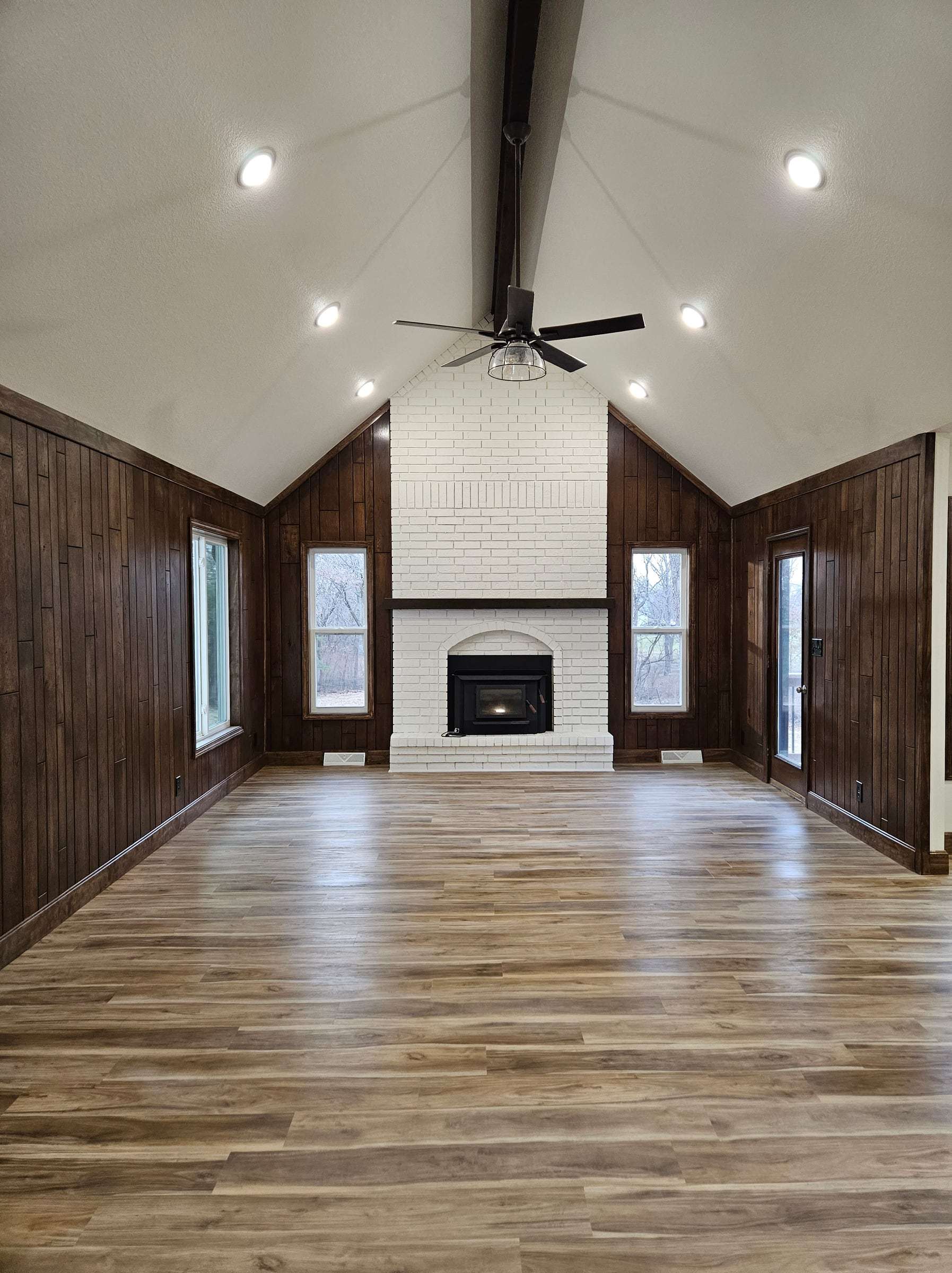
Interior painting
You shouldn’t have to move out to get your rooms painted. We plan the work around your household, cover what stays in the room, and fix dings and nail holes first so your new color looks smooth.
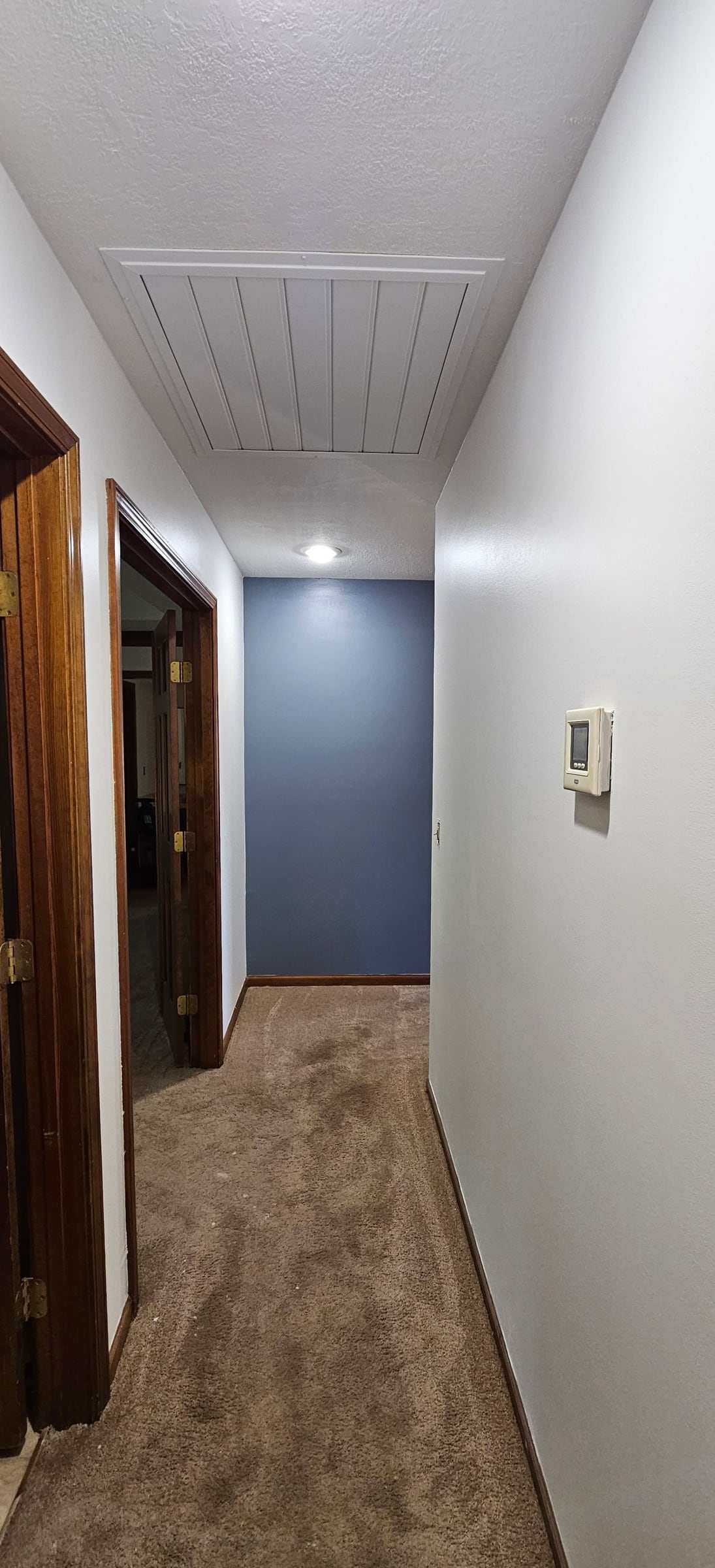
When interior painting makes sense
- Walls are scuffed, patched or marked and touch-ups no longer blend.
- You’re changing colors, adding an accent wall, or updating before a sale.
- Ceilings are stained or dingy, including tall or vaulted ceilings.
- Trim, doors or wood paneling need paint or a new stain color.
- A brick fireplace looks heavy and you want it painted.
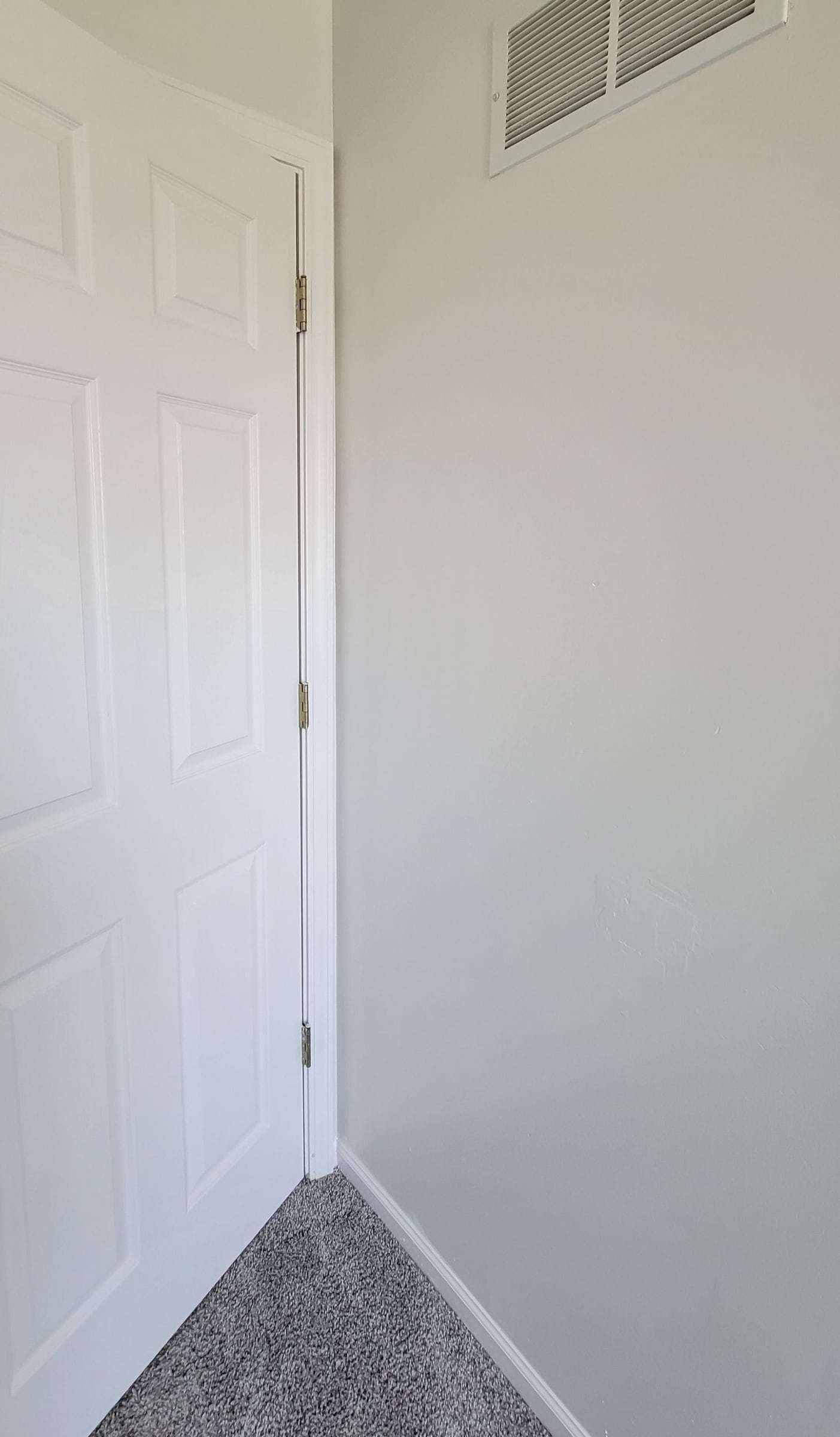
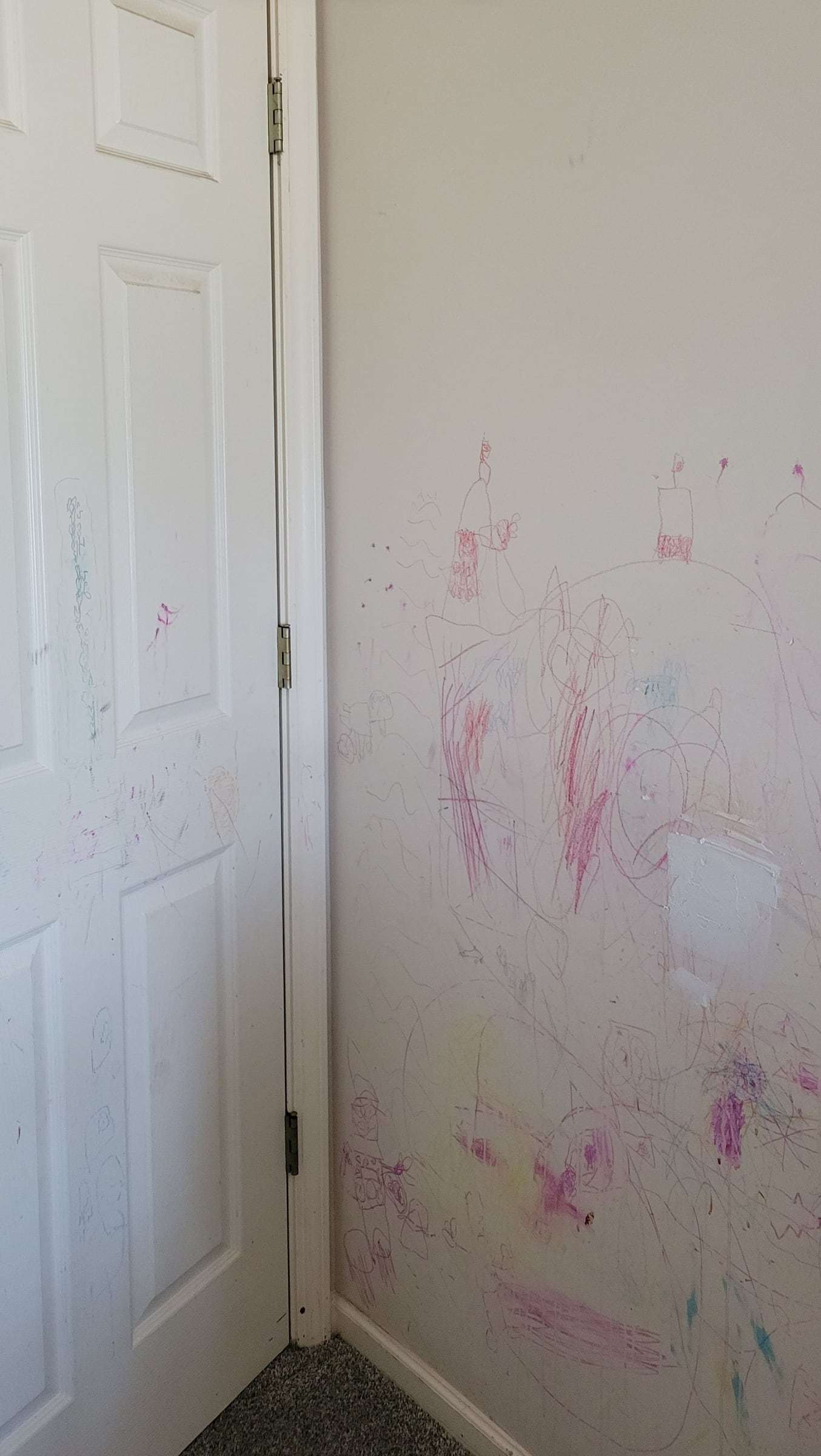
Wall clean-up & repaint
A wall covered in marker was prepared and repainted so nothing shows through.
What’s included
Your written estimate lists exactly what we’ll do, so you know what you’re paying for.
Typically included
- Walls and ceilings, including vaulted ceilings
- Baseboards, casing, doors and other trim
- Accent walls and color changes
- Wood paneling stain and painted brick fireplaces
- Basements and hallways
- Patching nail holes, dents and minor wall damage before paint
Good to know
- If walls are damaged by water, the leak has to be fixed first. Tell us about it when you request an estimate so we can plan the repair before painting.
- Wallpaper removal, texture changes and larger drywall work are discussed at the estimate rather than assumed.
- Flooring appeared in one of our projects; ask if you want it included rather than assuming it is.
How your project will go
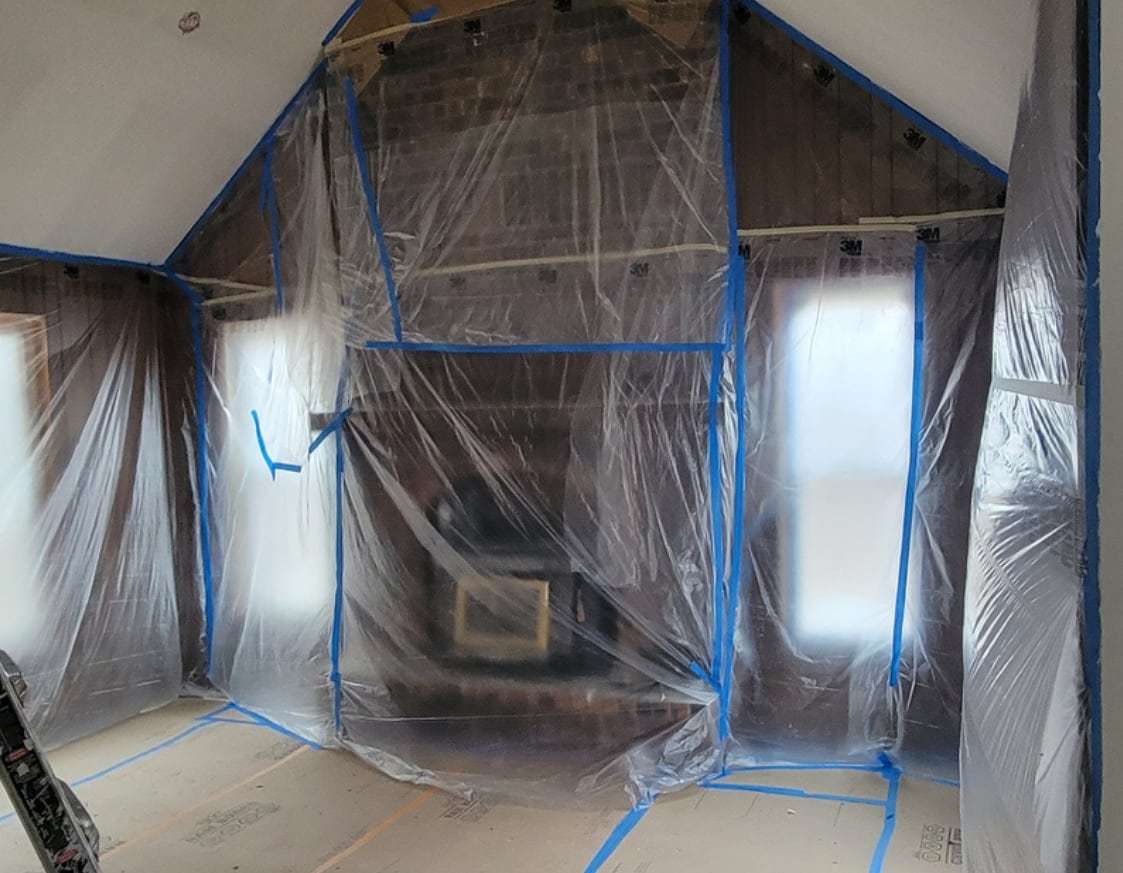
The whole room sealed before work on the brick and ceiling.
-
Plan the rooms
We agree which rooms are done in what order so you always have a usable bedroom, bathroom and kitchen.
-
Clear and cover
Small items and wall hangings come down first; furniture is grouped and covered; floors are covered along the walls.
-
Contain the dust
Where there’s sanding or spraying, the room is sealed off. In the vaulted living room project the whole space was enclosed in plastic.
-
Repair
Nail holes, dents and minor damage are filled and sanded so they don’t show through the new color.
-
Prime where needed
Repairs, stains and big color changes get primer; sound painted walls may not need it.
-
Cut in and roll
Ceilings first, then walls, then trim and doors, so each line is crisp.
-
Clean up and walk through
Covers come off, furniture goes back and we walk each room with you.
Which sheen goes where
Sheen changes how a color looks and how easy the wall is to clean. Your estimate lists the one we recommend for each surface.
Flat / matte
Ceilings and low-traffic walls. Hides surface imperfections best; least washable.
Eggshell
Living rooms, bedrooms and hallways. A soft glow with better scrubbability than flat.
Satin
Kitchens, kids’ rooms and busy hallways where walls get wiped often.
Semi-gloss
Trim, doors and bathrooms. Durable and easy to clean, but it shows every flaw underneath.
Living at home while we paint
- Plan to clear small items, shelves and wall hangings from the rooms being painted.
- Keep pets and children out of the rooms being worked on.
- Freshly painted walls are dry to the touch the same day but need gentle treatment for a few weeks while the paint cures.
- You get photo progress updates, and cleanup is included in the price.
Products and finishes
- Products, colors and sheens are listed on your estimate before work starts.
- Low-odor, low-VOC paints are available for most interior work. Ask if anyone in the home is sensitive to smells.
- Wood paneling can be stained a new tone rather than painted when you want to keep the grain.
What affects your price
Every house is different, so we price each job after seeing it. This is what we look at when we write your estimate.
- Ceiling height
- Vaulted and two-story spaces need scaffolding or tall ladders.
- Wall condition
- How much patching, sanding and priming is needed.
- Color changes
- Going dark to light (or vice versa) can need primer or an extra coat.
- Trim and doors
- The number of doors, windows and linear feet of baseboard.
- Furniture and access
- How much needs to be moved and how rooms connect.
- Stain vs paint
- Staining paneling or trim is a different process from painting it.
Payment: 30% deposit when you accept the estimate; balance due after the final walkthrough.
At the end: Final walkthrough; anything not right is corrected at no extra cost.
More projects
See all projects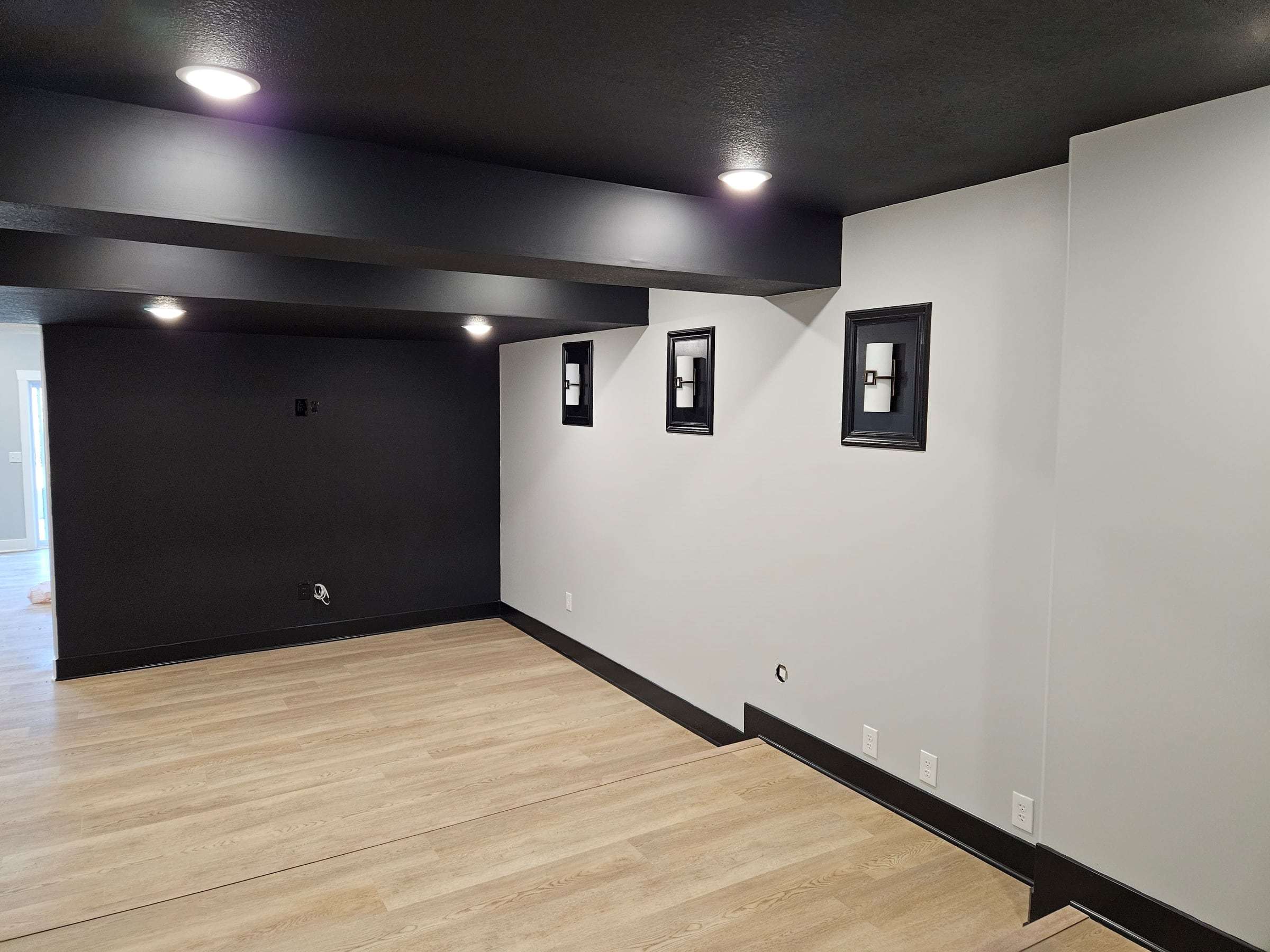
Questions homeowners ask
Do I need to move my furniture?
Please clear small items, breakables and wall hangings. Larger furniture is grouped away from the walls and covered; tell us about anything very heavy or fragile at the estimate.
Can we stay in the house?
Yes. Most interior work is done with the family at home. We plan the room order with you so you keep a working kitchen, bathroom and bedroom.
Do you repair drywall before painting?
Nail holes, dents and minor damage are part of normal prep. Larger repairs, such as after water damage, are discussed at the estimate, and any leak needs to be fixed first.
Which finish should I use in a kitchen or bathroom?
Satin or semi-gloss is usually the right choice where walls get wiped or humid. Our guide to paint finishes explains each sheen.
Can you paint a brick fireplace?
Yes. In the vaulted living room project the brick fireplace was painted white along with the ceiling, with the room sealed in plastic first.
Do I pay up front?
ACS asks for a 30% deposit when you accept the estimate, and the balance after the final walkthrough.